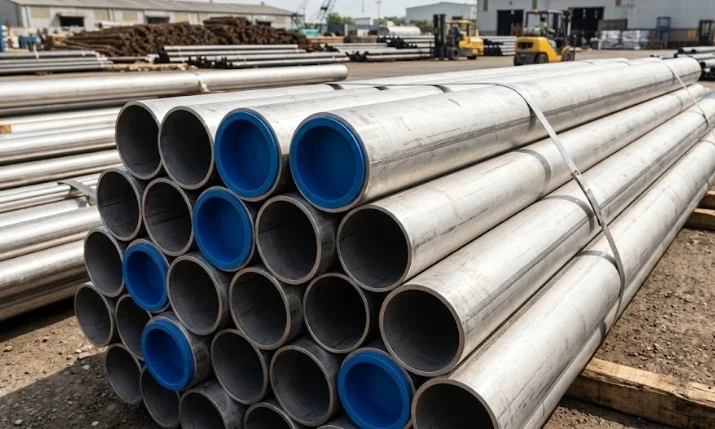
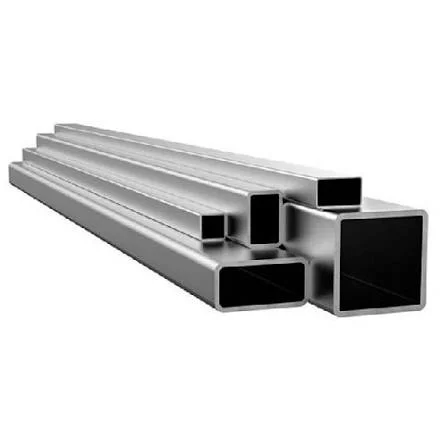
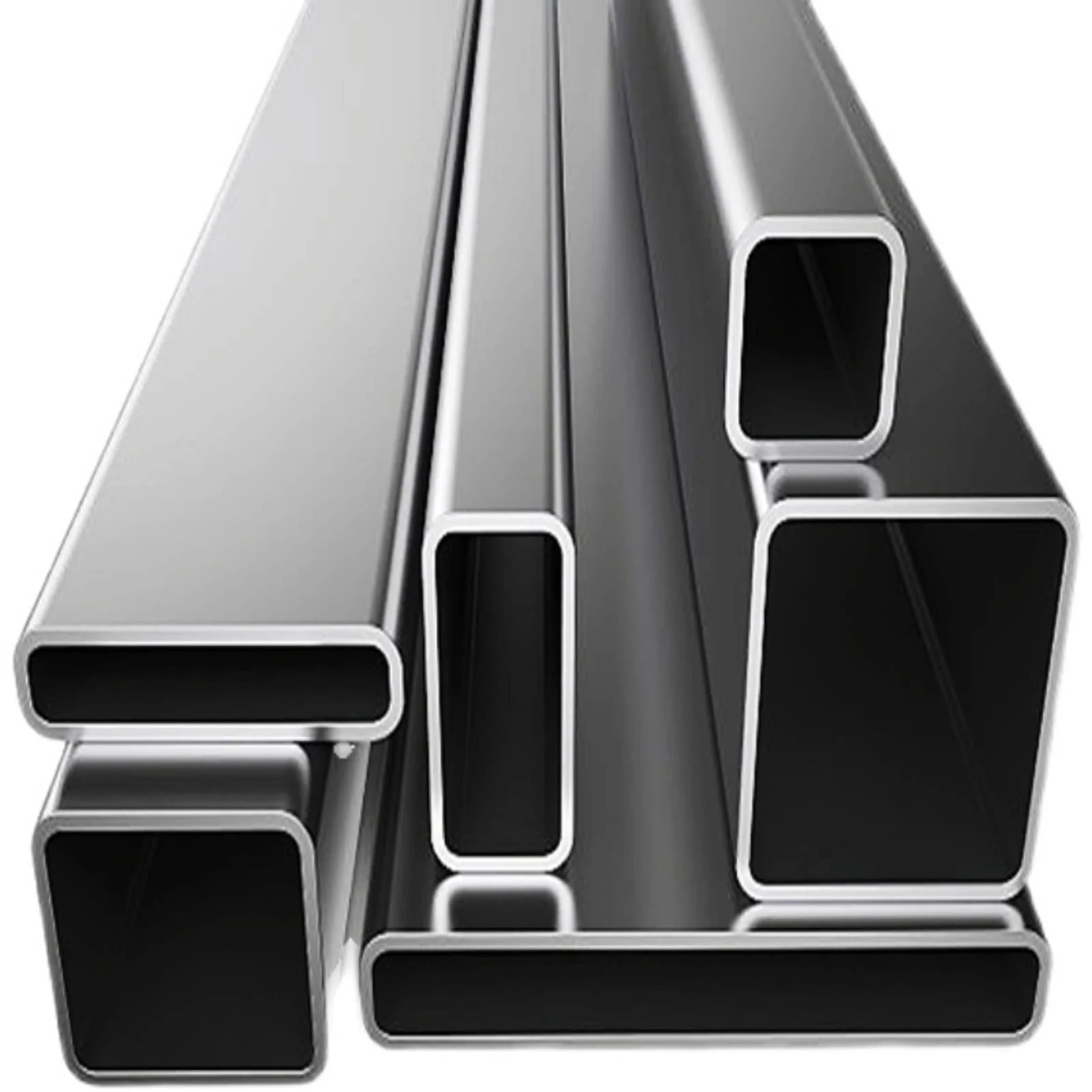
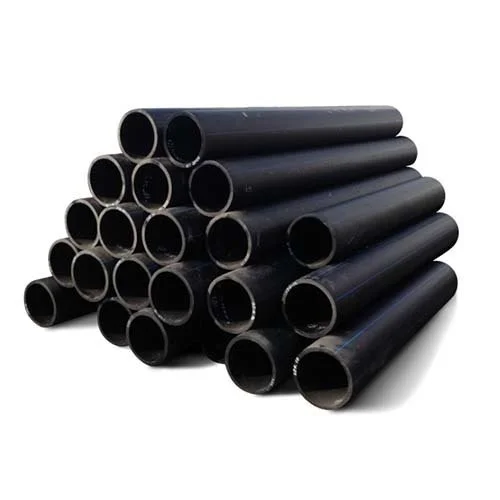
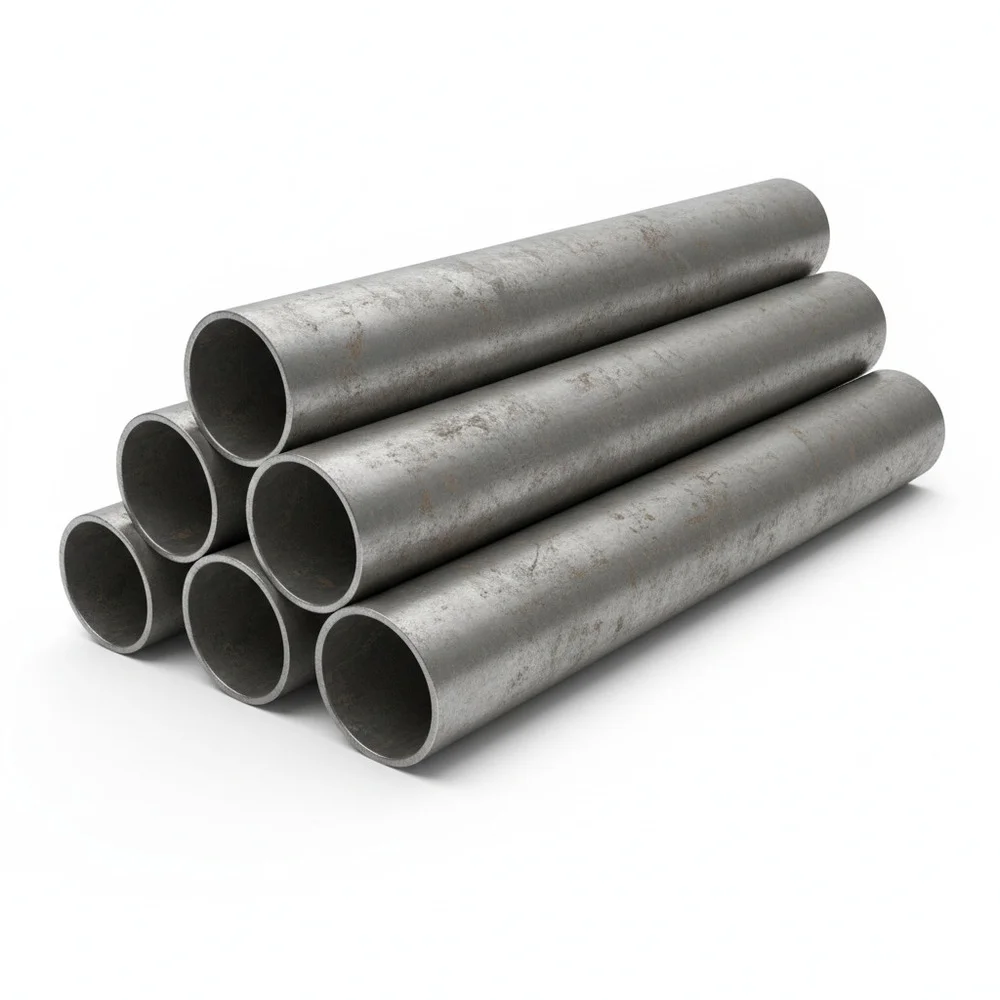
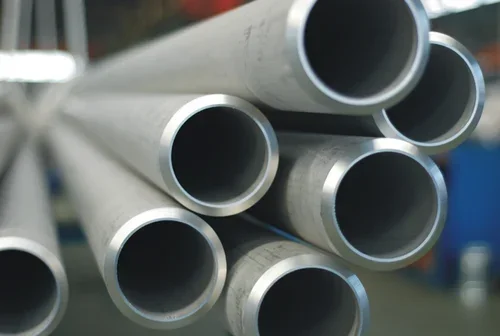
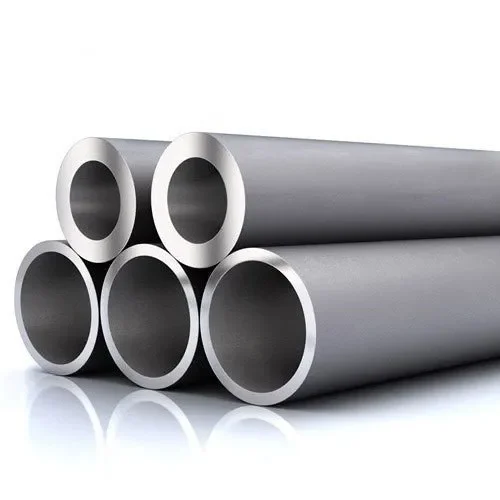
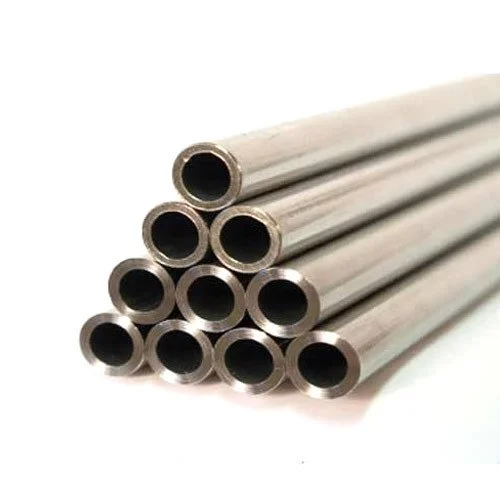
Stainless Steel 304L Pipes Specifications
| Parameter |
Details |
| Grade | 304L / UNS S30403 / 1.4307, also dual-certified 304/304L |
| Product forms | Seamless, ERW, EFW, TIG welded |
| Pipe size | ⅛" NPS to 24" NPS, larger on request |
| Wall thickness | 1.24 mm to 25 mm |
| Schedules | 5S, 10S, 40S, 80S, 160, XXS and custom |
| Delivery condition | Solution annealed, pickled and passivated |
| Length | Single random, double random, cut length up to 12 m |
| Ends | Plain, beveled, threaded, tri-clamp prepared |
| Surface | Pickled, 2B, bright annealed, polished, electropolished |
| Tests | Chemical analysis, tensile, flattening, hydrotest or eddy current, PMI |
| Extra tests on request | IGC, ultrasonic, radiography, impact test |
| Documents | EN 10204 3.1 mill certificate, inspection reports |
Stainless Steel 304L Pipes Standards
| Standard |
What it covers |
| ASTM A312 / ASME SA312 | Seamless and welded austenitic pipe |
| ASTM A358 / ASME SA358 | EFW pipe for high-temperature service |
| ASTM A409 | Large-diameter welded pipe for corrosive and high-temperature service |
| ASTM A778 | Welded, unannealed austenitic pipe for general corrosive service |
| ASTM A269 | Seamless and welded tubing for general service |
| ASTM A270 | Sanitary tubing for dairy and pharma |
| ASME B36.19M | Dimensions of stainless steel pipe |
| EN 10216-5 / EN 10217-7 | European seamless and welded stainless tubes |
| EN 10312 | Welded stainless tubes for water and aqueous liquids |
| JIS G3459 | Japanese stainless steel pipes |
Material and Grades of Stainless Steel 304L Pipes
304L is the low-carbon sibling of 304, with carbon limited to 0.03%, or 0.035% under A312 for pipe. The European world uses two numbers for it. 1.4307 is the leaner version, with 8–10.5% nickel, while 1.4306 has more nickel at 10–12% and is slightly more stable. Both are covered by the same American designation, so tell us which your project names.
Many buyers ask for dual certification as 304/304L. This means one pipe that meets 304's higher strength (515 MPa tensile, 205 MPa yield) and 304L's low carbon limit at the same time. It is common because modern mills control carbon and nitrogen carefully, and it lets a purchaser use one stock for both grades. Pipe is supplied solution annealed, then pickled and passivated.
Stainless Steel 304L vs 304 vs 304H Pipes: Which One Do You Need?
| Point |
304L |
304 |
304H |
| Carbon | 0.03% max | 0.08% max | 0.04 – 0.10% |
| Minimum yield strength | 170 MPa | 205 MPa | 205 MPa |
| Minimum tensile strength | 485 MPa | 515 MPa | 515 MPa |
| Weld decay risk | Very low | Moderate on thick sections | Higher |
| Strength above 550°C | Lowest | Moderate | Highest |
| Typical use | Welded corrosion and cryogenic service | General service | Hot pressure piping |
Choose 304L when the pipe is welded and will not be heat treated afterwards, or when it runs in cryogenic service. Choose 304 when strength matters more and welding is limited. Choose 304H when the pipe runs hot, above about 550°C, and creep strength is the concern. For many orders, dual-certified 304/304L covers the first two needs at once.
Stainless Steel 304L Pipes Chemical Composition
| Element |
ASTM A312 TP304L (%) |
EN 1.4307 (%) |
EN 1.4306 (%) |
| Carbon (C) | 0.035 max | 0.030 max | 0.030 max |
| Manganese (Mn) | 2.00 max | 2.00 max | 2.00 max |
| Silicon (Si) | 1.00 max | 1.00 max | 1.00 max |
| Phosphorus (P) | 0.045 max | 0.045 max | 0.045 max |
| Sulphur (S) | 0.030 max | 0.015 max | 0.015 max |
| Chromium (Cr) | 18.0 – 20.0 | 17.5 – 19.5 | 18.0 – 20.0 |
| Nickel (Ni) | 8.0 – 13.0 | 8.0 – 10.5 | 10.0 – 12.0 |
| Nitrogen (N) | – | 0.11 max | 0.11 max |
| Iron (Fe) | Balance | Balance | Balance |
We can supply to the tighter 0.030% carbon limit when your specification asks for it.
Stainless Steel 304L Pipes Mechanical Properties
| Property |
TP304L |
Dual-certified 304/304L |
| Tensile strength | 485 MPa min | 515 MPa min |
| Yield strength (0.2%) | 170 MPa min | 205 MPa min |
| Elongation | 35% min | 35% min |
| Hardness | 90 HRB max (192 HBW) | 90 HRB max (192 HBW) |
| Density | About 7.93 g/cm³ | About 7.93 g/cm³ |
| Melting range | About 1400 – 1450°C | About 1400 – 1450°C |
| Magnetic response | Non-magnetic when annealed | Non-magnetic when annealed |
Where Stainless Steel 304L Pipes Work, and Where They Do Not
304L is a very capable grade, but it has no molybdenum, so chlorides are its weak point. This guide shows where it fits. Exact limits depend on concentration, temperature and impurities, so share your operating conditions if you are unsure.
| Environment |
How 304L performs |
| Drinking and process water | Excellent |
| Food, dairy and beverages | Excellent |
| Nitric acid | Excellent across a wide range of strengths |
| Organic acids (acetic, citric) | Good |
| Caustic soda at moderate strength | Good |
| Marine air and coastal sites | Fair to poor, with pitting risk, so 316L is safer |
| Seawater and strong chlorides | Not recommended |
| Sulphuric acid | Poor, except when very dilute |
| Hydrochloric acid | Not recommended |
| Cryogenic service to −196°C | Excellent, stays tough |
| Hot service | Suitable for pressure lines up to about 425°C; use 304H for long exposure at higher temperature |
Stainless Steel 304L Pipes Size and Weight Chart
Theoretical weight is (OD − Wall) × Wall × 0.02491, giving kg per metre with dimensions in mm. Real weight varies slightly within mill tolerance.
Small bore pipes, Sch 10S and 40S
| NPS |
OD (mm) |
Sch 10S wall (mm) |
Sch 10S kg/m |
Sch 40S wall (mm) |
Sch 40S kg/m |
| ⅛" | 10.3 | 1.24 | 0.28 | 1.73 | 0.37 |
| ¼" | 13.7 | 1.65 | 0.50 | 2.24 | 0.64 |
| ⅜" | 17.1 | 1.65 | 0.64 | 2.31 | 0.85 |
Large bore pipes, Sch 5S and 10S
| NPS |
OD (mm) |
Sch 5S wall (mm) |
Sch 5S kg/m |
Sch 10S wall (mm) |
Sch 10S kg/m |
| 14" | 355.6 | 3.96 | 34.69 | 4.78 | 41.77 |
| 16" | 406.4 | 4.19 | 41.98 | 4.78 | 47.82 |
| 18" | 457.2 | 4.19 | 47.28 | 4.78 | 53.87 |
| 20" | 508.0 | 4.78 | 59.92 | 5.54 | 69.34 |
| 24" | 609.6 | 5.54 | 83.36 | 6.35 | 95.42 |
Stainless Steel 304L Pipes Sizes, Dimensions and Schedules
Large and small pipes follow different habits. Small-bore pipe is usually ordered in the heavier 40S and 80S walls, while large-bore pipe is often ordered in the light 5S and 10S walls, because stainless steel is expensive and welded joints carry the strength. DN is the metric size for each NPS.
| Schedule |
Wall at 1" / DN 25 (mm) |
Wall at 12" / DN 300 (mm) |
Typical use |
| 5S | 1.65 | 3.96 | Low-pressure, light-duty lines |
| 10S | 2.77 | 4.57 | General process and water service |
| 40S | 3.38 | 9.53 | Standard industrial piping |
| 80S | 4.55 | 12.70 | Higher pressure and heavy duty |
ASTM A312 holds outside diameter within +0.4/−0.8 mm up to 1½ inch, ±0.8 mm above 1½ and up to 4 inch, and +1.6/−0.8 mm above 4 and up to 8 inch. Wall thickness is held to −12.5%. Pipe can be cut, beveled and prepared to your drawing.
Testing and Inspection of Stainless Steel 304L Pipes
For 304L, the key question is whether the carbon really is low, so chemical analysis and PMI come first. We confirm carbon against the 0.03% or 0.035% limit, check chromium and nickel, and record the results on the certificate. Mechanical tests then confirm tensile, yield, elongation and hardness against the standard.
Each pipe is then proved sound. Seamless and welded pipe get a hydrostatic test or eddy current examination, and tube-size pipe gets flattening tests. Weld seams are inspected visually, and ultrasonic or radiographic examination can be added for heavy walls. If your project needs proof that the weld zone resists intergranular attack, we can run IGC testing to ASTM A262. Dimensional checks cover OD, wall, length and straightness, and an independent third party can witness any of these when you ask.
Common Materials Supplied with Stainless Steel 304L Pipes
Stainless steel piping systems often require different grades and matching components to meet specific operating conditions. Along with Stainless Steel 304L Pipes, suppliers offer other materials for applications involving higher temperatures, chloride exposure, or greater strength requirements.
Stainless Steel 304 and 304H: Used for general-purpose piping and applications involving elevated temperatures.
Stainless Steel 316 and 316L: Contain molybdenum for improved resistance to chlorides and many corrosive environments.
Stainless Steel 321 and 347: Stabilised grades suitable for applications involving prolonged exposure to elevated temperatures.
Stainless Steel 310S: Offers good oxidation resistance in high-temperature equipment, including furnaces and heat-treatment systems.
Duplex Stainless Steel 2205: Provides higher strength and better resistance to chloride-related corrosion in many applications.
Pipe Fittings, Flanges, and Tube Clamps: Include elbows, tees, reducers, flanges, and clamps that help connect and support piping systems.
Reliable Stainless Steel 304L Pipes suppliers can also provide compatible grades and piping components based on project specifications, operating conditions, and applicable standards.
Applications of Stainless Steel 304L Pipes
- Food, Dairy and Beverage: Milk, juice, beer and CIP lines with smooth, easy-to-clean walls.
- Pharmaceutical and Biotech: Purified water, process and utility lines.
- Chemical Processing: Nitric acid, organic acid and clean chemical transfer lines.
- LNG and Cryogenic: Lines for liquefied gases and other very cold fluids.
- Fertiliser Plants: Nitric acid and ammonium nitrate service lines.
- Water and Wastewater: Potable water, treatment plant and process piping.
- Power Generation: Auxiliary, condensate and water treatment lines.
- Oil and Gas Utilities: Instrument, chemical injection and utility lines.
- Building Services: Hot and cold water, HVAC and architectural piping.
Why Choose Us as Your Stainless Steel 304L Pipes Manufacturer in India?
Established in 2005, Sachiya Steel International has over 20 years of experience in manufacturing, supplying, and exporting industrial pipes and tubes. With a monthly supply capacity of up to 100 tons, we handle regular orders, bulk requirements, and project-based demands. Our experience across different industries helps us understand material specifications, quality requirements, and the needs of industrial piping systems.
We offer Stainless Steel 304L Pipes in seamless and welded forms, with sizes ranging from ⅛ inch to 24 inches and different schedules and finishes. As an experienced Stainless Steel 304L Pipes Supplier in India, we serve customers in 85+ countries and supply products to applicable ASTM standards. Our ISO 9001:2015 certification and applicable TÜV certifications support our focus on quality, inspection, and material traceability. We also provide material test certificates and other inspection documents as required, helping ensure products meet project specifications.
Countries We Export Stainless Steel 304L Pipes To
With exports to 85+ countries, we supply Stainless Steel 304L Pipes for industrial projects across different regions. Our export experience covers a wide range of requirements, from standard piping orders to large-volume supplies for chemical plants, pharmaceutical facilities, food processing units, LNG projects, and water treatment systems. Pipe specifications, packing methods, and shipping arrangements are planned according to the destination and project needs.
Middle East: UAE, Saudi Arabia, Qatar, Oman, Kuwait, and Bahrain.
Europe: Germany, Italy, the United Kingdom, the Netherlands, France, Spain, Belgium, and Poland.
Asia-Pacific: Singapore, Malaysia, Indonesia, Thailand, Vietnam, South Korea, Japan, and Australia.
North and South America: USA, Canada, Mexico, Brazil, and Chile.
Africa: South Africa, Nigeria, Egypt, and Kenya.
South Asia: Nepal, Bangladesh, and Sri Lanka.
For international orders, material traceability and shipping documentation are important parts of the supply process. EN 10204 3.1 mill test certificates are provided with shipments, while EN 10204 3.2 certification and third-party inspections can be arranged when specified. Export packing and documentation are handled according to the order requirements, helping simplify material receipt and verification at the destination.